01
Metal Finishing & Plating
Plating bath solutions, sludges, acid rinse waters, cyanide-bearing wastes - recurring scheduled removal.
ViewRRD works with generators across a wide range of California industries - managing whatever regulated waste their operations produce.
Plating bath solutions, sludges, acid rinse waters, cyanide-bearing wastes - recurring scheduled removal.
ViewSolvents, chromate coatings, anodizing wastes, lab packs, NDT chemicals.
ViewExpired products, QC chemicals, reject batches, cleaning solvents, destruction documentation.
ViewNicotine concentrates (P075), off-spec batches, contaminated packaging, cleaning residues.
ViewSpent solvents, used oils, coolants, paint waste, shop rags, batteries.
ViewContaminated soil, lead paint debris, universal waste from building systems.
ViewLab chemicals, unknown containers, sample materials, peroxide-forming chemicals.
ViewHealthcare-adjacent, utilities, logistics - universal waste, e-waste, non-hazardous.
ViewPlating and metal finishing shops generate some of the most consistently regulated hazardous waste streams in California, typically on a recurring basis tied to production volume.
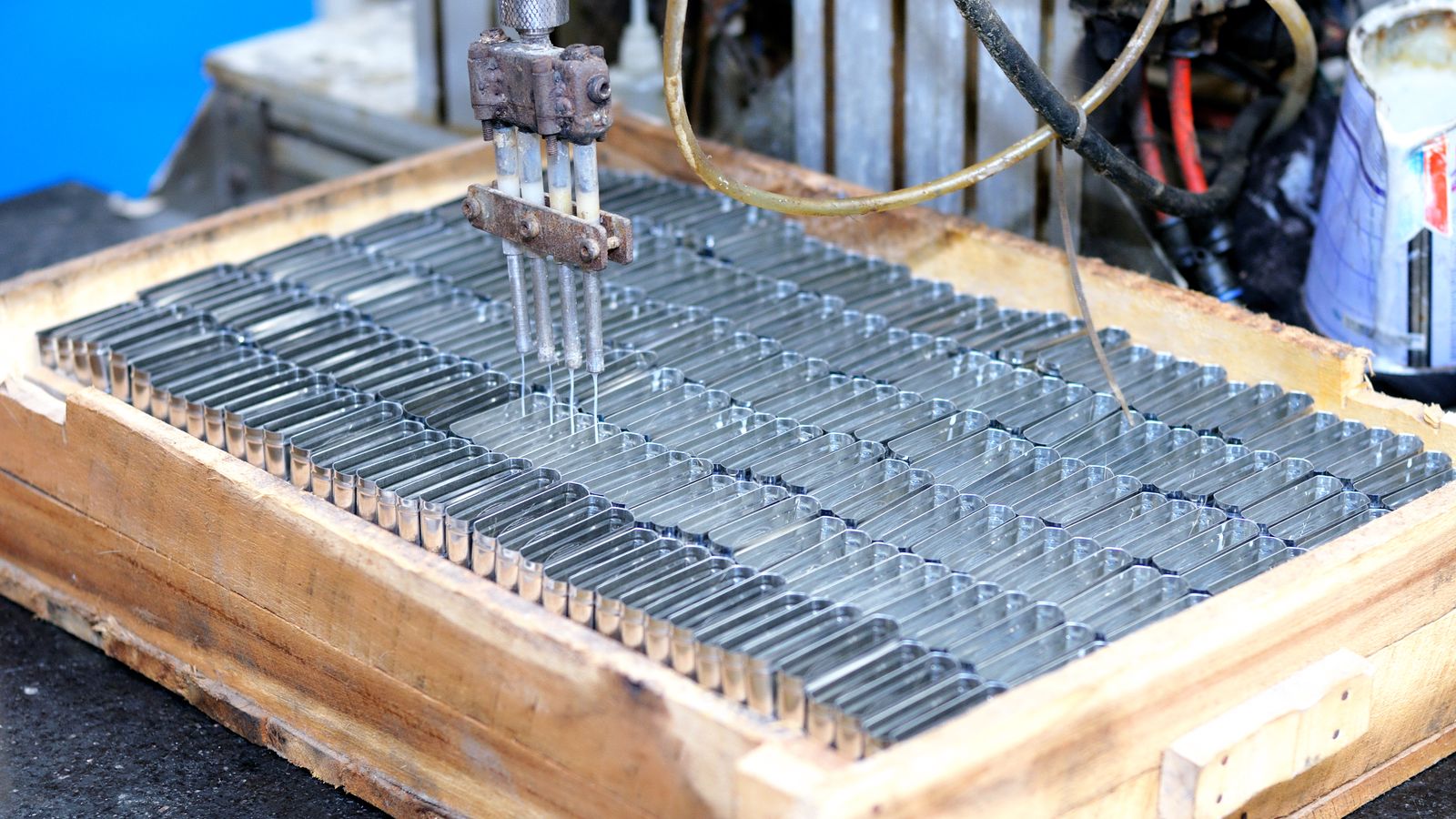
Plating wastes frequently carry both federal RCRA codes (e.g., F006 for plating sludge) and California-specific codes. Consistent waste codes across recurring shipments matter for audit purposes - generators are often inspected on whether their manifests match their permitted waste codes over time.
Aerospace and defense manufacturers generate a wide mix of waste types across different departments - often the most complex waste profile managed for a single site.
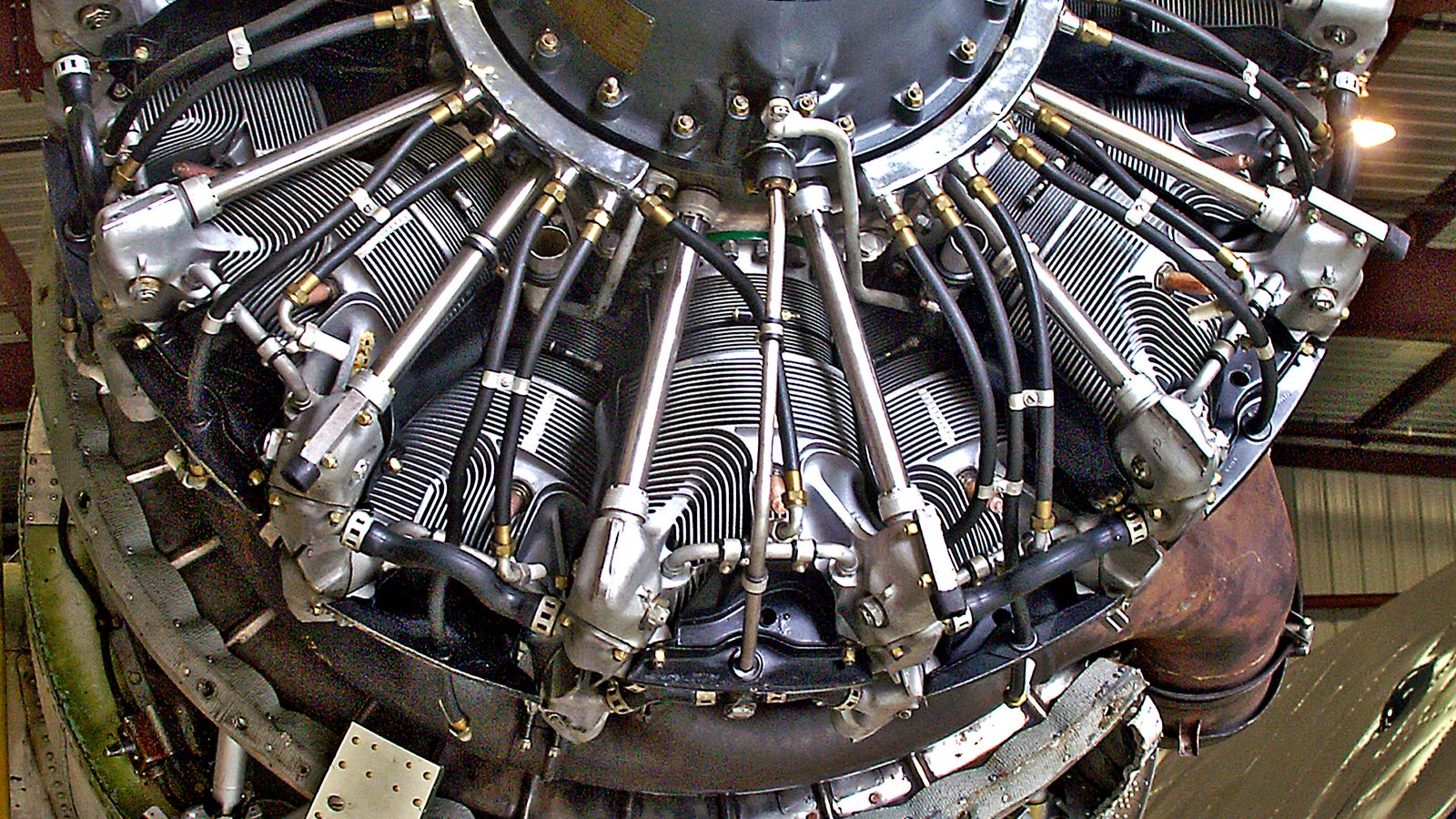
Aerospace facilities often hold multiple EPA ID numbers, and chromate-based wastes typically carry both toxicity characteristic codes and California-specific listings. Many generators operate under contractual environmental compliance requirements in addition to regulatory ones.
Pharmaceutical and supplement manufacturers deal with waste tied to production runs, quality control, and inventory turnover rather than continuous process waste.

Many pharmaceutical waste streams require destruction documentation - manufacturers often need proof that recalled or expired product was rendered non-retrievable, not just disposed of.
Nicotine and consumer product manufacturers generate specialized waste tied to their formulations, production processes, and packaging operations.
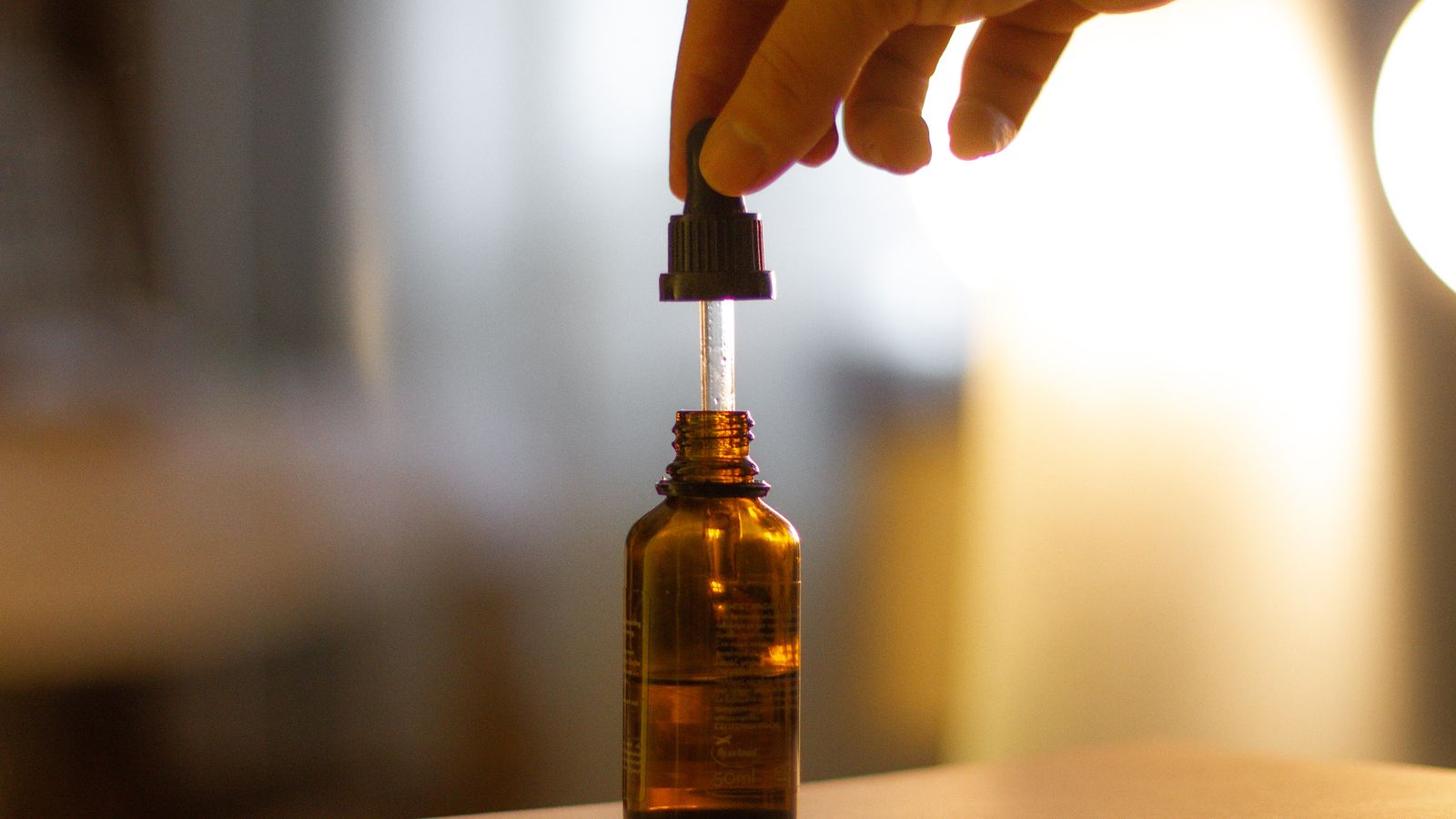
Nicotine in concentrated form is regulated as an acutely hazardous waste in California at certain concentrations (P075), carrying stricter handling and disposal requirements. Accurate concentration-based classification at the profiling stage is critical.
General manufacturers - machine shops, fabrication shops, electronics assembly - generate a mix of hazardous and non-hazardous waste that grows or changes as production needs shift.
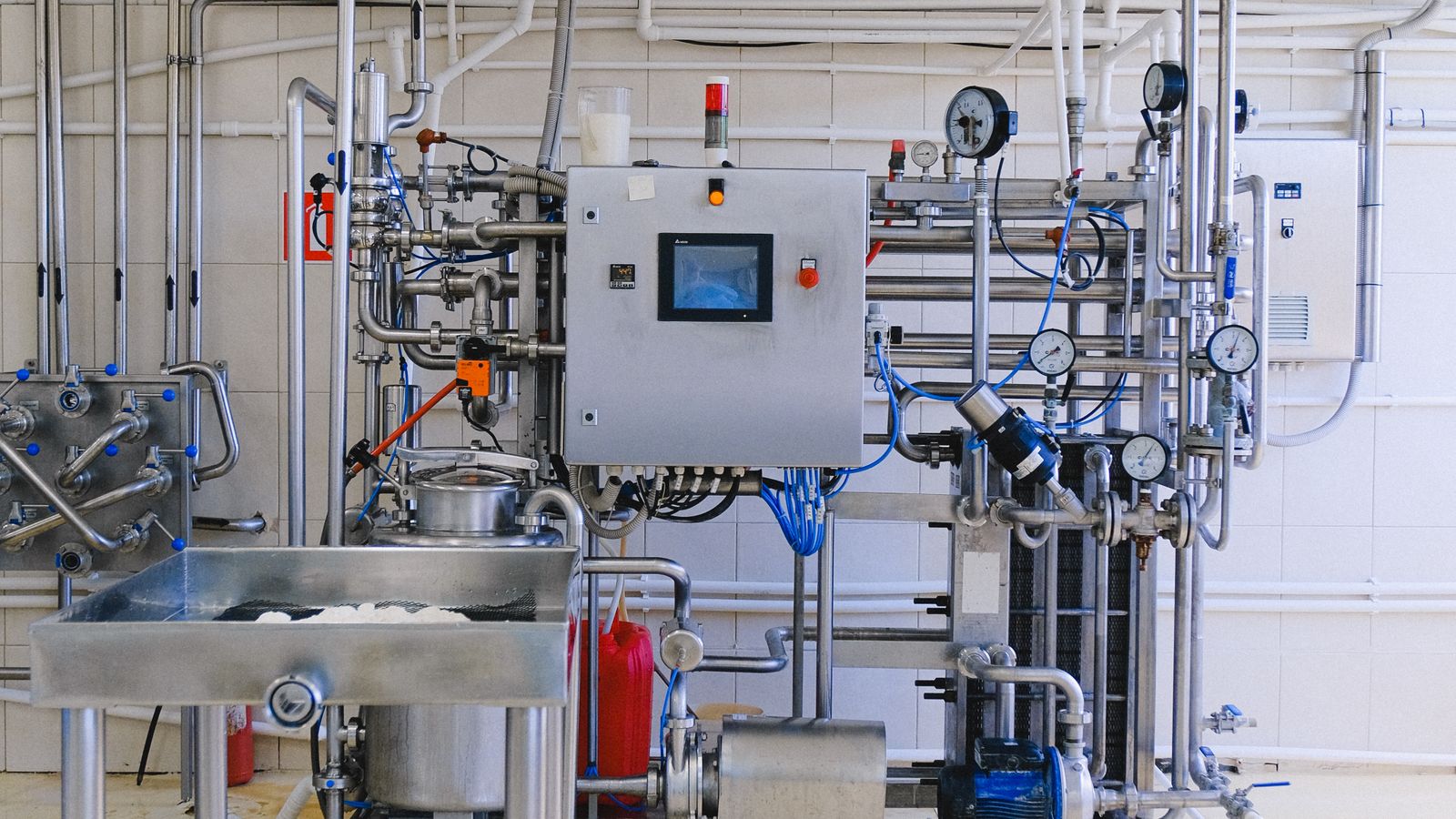
Smaller manufacturers are often Small Quantity Generators (SQGs) or Conditionally Exempt Small Quantity Generators (CESQGs), with specific requirements around accumulation time limits and quantity thresholds.
Construction and demolition projects often uncover waste streams requiring proper characterization before a project can move forward - frequently unplanned and time-sensitive.
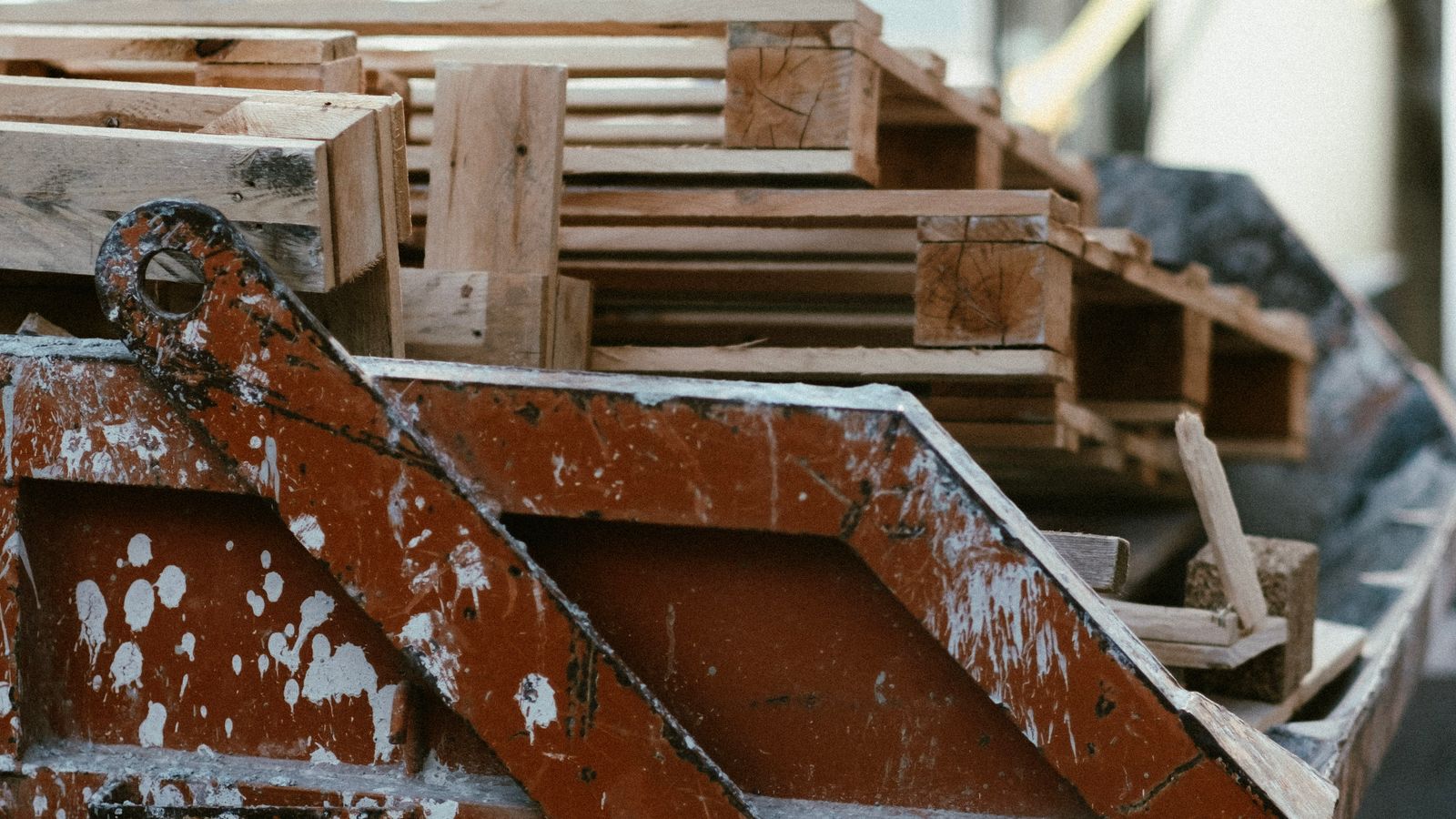
Soil and debris characterization often requires sampling and analysis before a disposal pathway can be confirmed. Discovered materials frequently require expedited profiling to avoid stalling a project on a tight schedule.
Labs, testing facilities, and educational institutions accumulate chemical inventories over time that require periodic cleanout - often years of small purchases with no consistent disposal program.
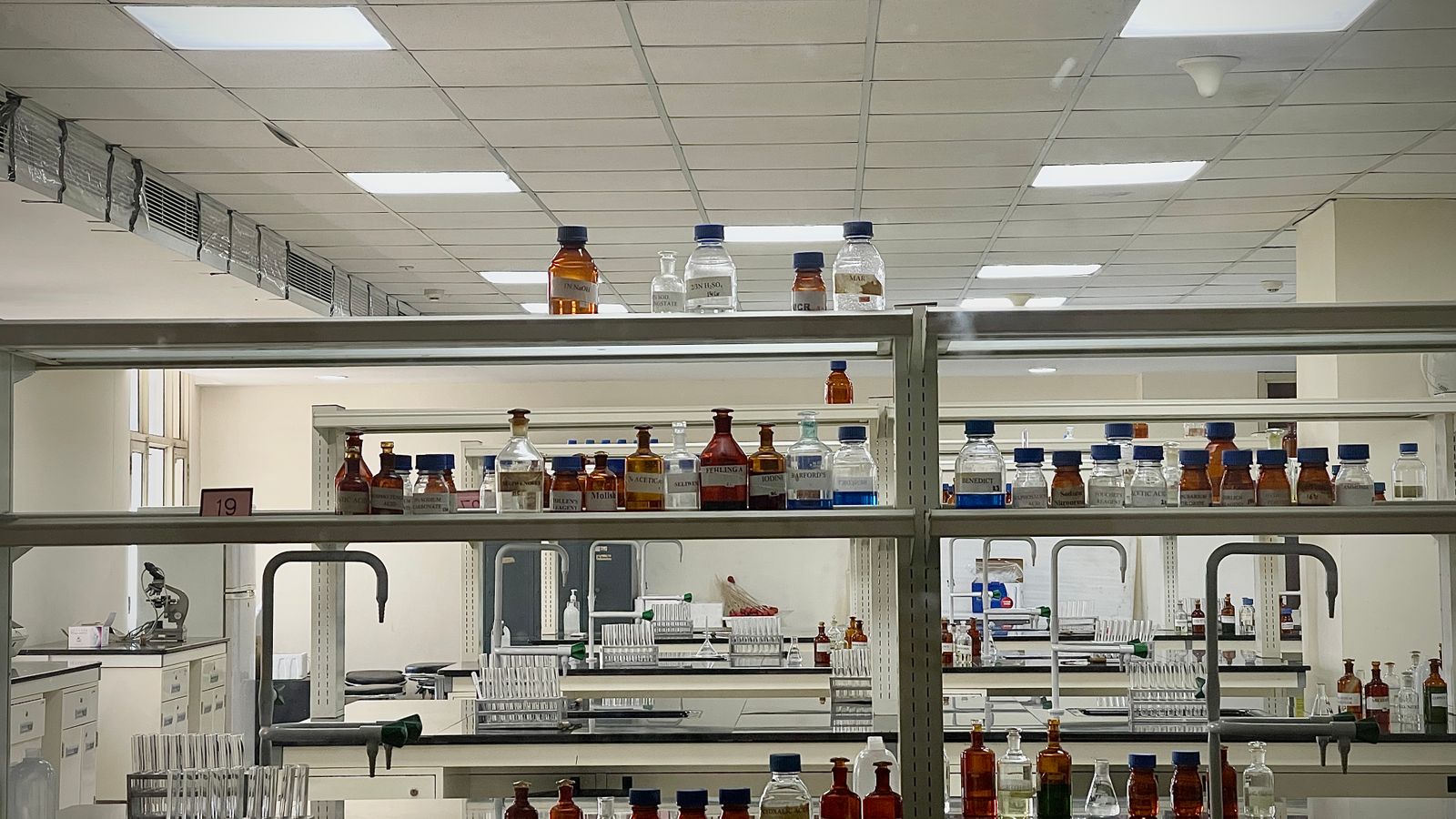
Unknown or unlabeled materials require identification and classification before they can be packed and shipped - one of the more time-consuming aspects of lab cleanouts. Some older chemicals require special handling precautions due to instability over time.
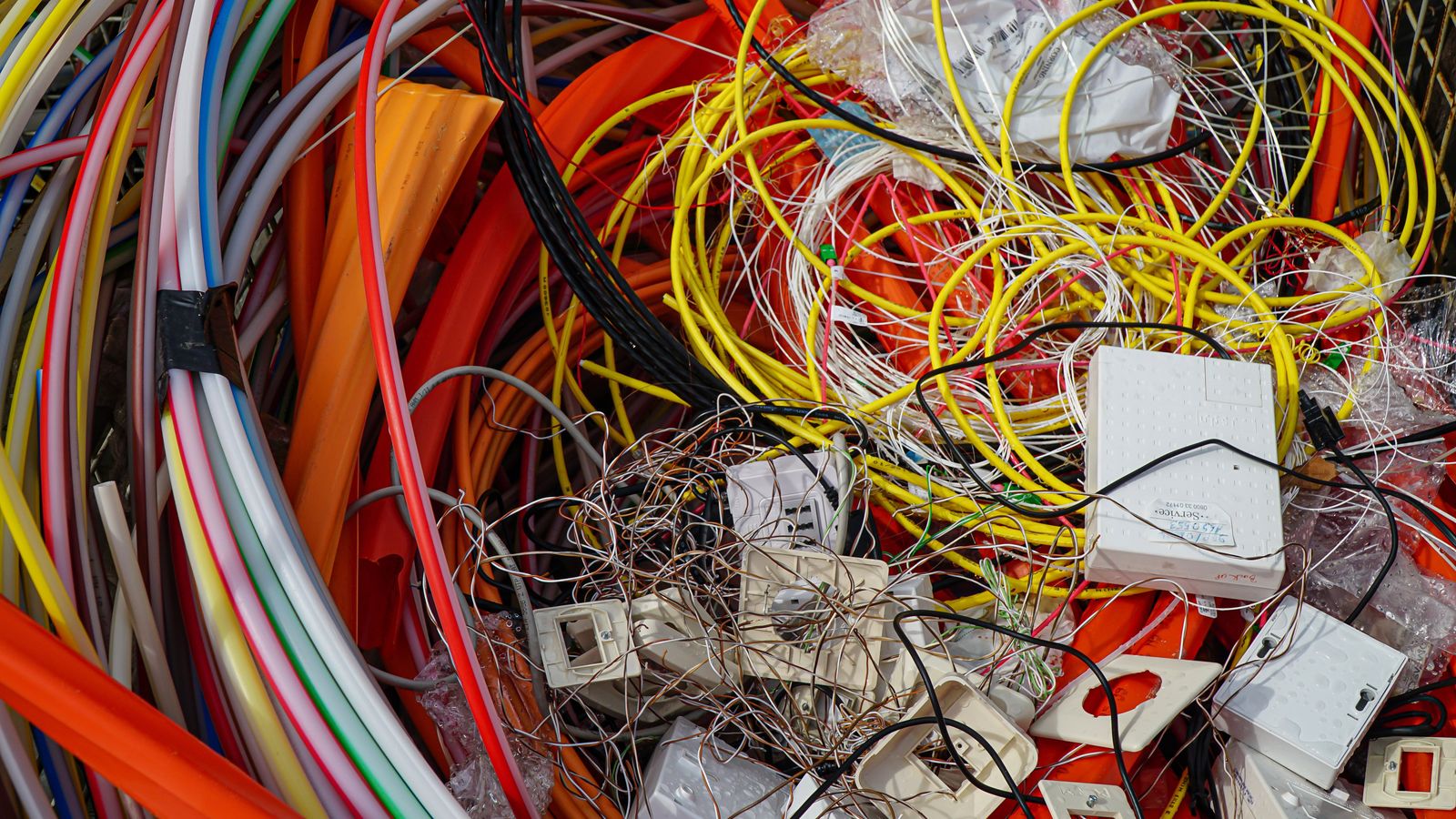
RRD also works with generators in healthcare-adjacent facilities, utilities, and logistics and warehouse operations - managing universal waste, e-waste, and non-hazardous waste streams. If your industry is not listed, contact RRD to discuss your specific waste streams and how they would be classified and managed.
(562) 843-3154 · rrdenvironmental@gmail.com